
Noli Me Tangere
나를 붙잡지 마라
이름을 부르다
Calling by name
이름은 몸이 닿기 전에 먼저 도착하는 접촉이다. 관객의 이름을 부르면, 익명의 누군가가 아니라 자신의 몸과 목소리로 응답하는 한 사람과의 관계가 시작된다.
A name is a touch that arrives before bodies meet. Calling a visitor by name begins a relationship—not with an anonymous other, but with a person who responds with their own body and voice.
신발을 벗다
Taking off one’s shoes
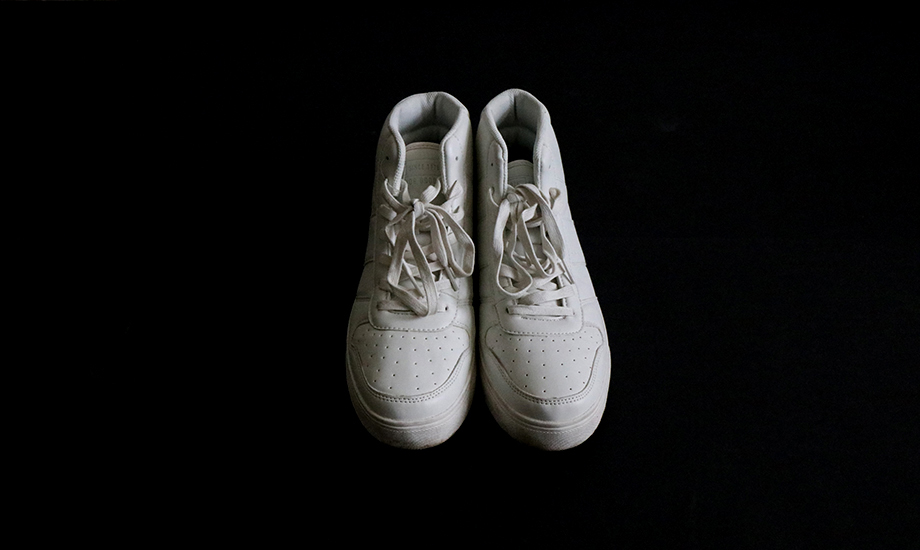
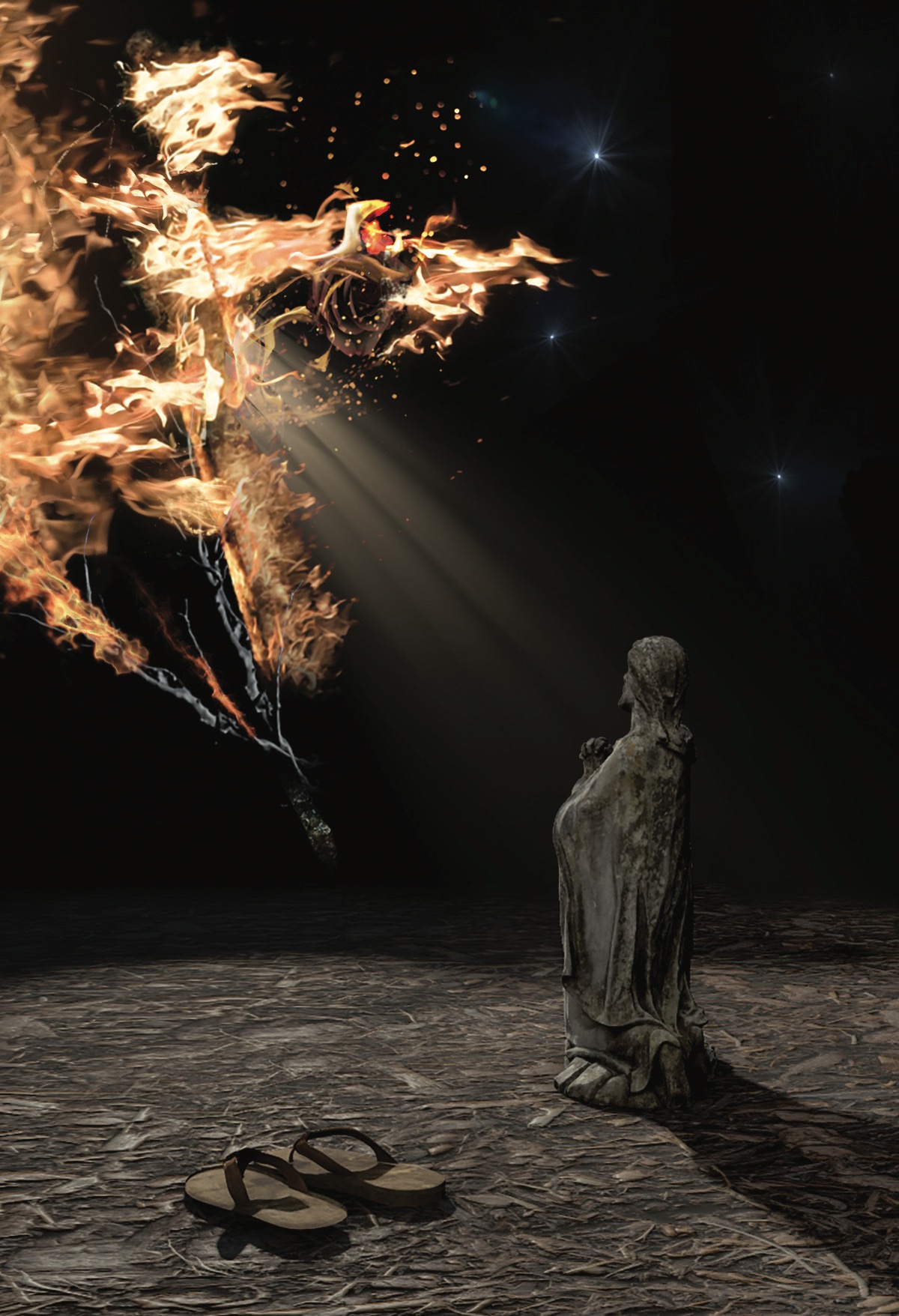
신발을 벗는 순간 관객은 땅을 바라보는 사람이 아니라, 땅에 의해 만져지는 몸이 된다.
모세는 거룩한 땅 앞에서 신발을 벗는다(탈출 3,5). 신발은 발을 보호하면서 몸과 땅 사이를 나눈다. 그 보호막을 내려놓으면 바닥의 온도와 질감이 몸에 도착한다. 벗음은 겸손이라는 상징에 앞서, 스스로 움직이고 통제하던 몸이 감촉을 받아들이는 몸으로 달라지는 경험이다.
맨발은 능동적으로 만지는 기관이면서 동시에 만져지는 표면이다. 작품에서 관객은 자기 신발을 벗고 타인이 기증한 신발을 신는다. 그러나 타인의 신발에 발을 넣는다고 해서 그 사람의 삶이나 고통을 대신 경험할 수 있는 것은 아니다. 신발은 같아질 수 없는 두 삶 사이의 거리까지 느끼게 한다.
On taking off their shoes, visitors cease merely to look at the ground: they become bodies touched by it.
Moses removes his shoes before holy ground (Exodus 3:5). Shoes protect the feet while separating the body from the earth. Without that protection, the floor’s temperature and texture reach the body. Before it is a symbol of humility, this is a sensory change: a body accustomed to moving and controlling becomes one that receives touch.
The bare foot is both an organ that touches and a surface that is touched. Visitors remove their own shoes and put on shoes donated by another person. Yet stepping into those shoes does not allow them to experience that person’s life or suffering in their place. The shoes also make felt the distance between two lives that cannot become the same.
발을 씻다
Washing feet

발을 씻는 손은 타인의 삶을 이해하거나 소유하지 않는다. 그 손은 타인이 지나온 땅의 흔적 앞에 머물며, 그 몸을 통제하지 않고 돌본다.
발에는 먼지와 무게, 이동의 피로가 남는다. 요한복음 13장의 세족을 따라, 나는 신발을 요청하기 전에 먼저 그 발을 씻긴다. 씻는 사람은 몸을 낮추고, 씻김을 받는 사람은 자신의 몸을 타인의 손에 맡긴다. 만지는 손도 물과 피부에 의해 만져진다. 돌봄은 한쪽에서 다른 쪽으로만 흐르지 않는다.
여기서 세족은 관객 모두에게 현장에서 반복하는 절차가 아니다. 신발 주인과 작가 사이에 먼저 이루어진 만남의 기록이다. 관객은 그 기록을 보며, 이제 자신이 신게 될 신발이 추상적인 ‘타자의 신발’이 아니라 누군가가 살아온 물건임을 마주한다.
이 글은 발과 땅의 촉각을 성서의 세족과 연결해 작품을 읽는다. 발을 씻거나 신발을 신는 일이 타인의 여정을 대신 체험하게 한다고 말하지 않는다. 돌봄은 오히려 내가 대신 살 수 없는 삶 앞에 머무는 일이다.
The hand washing another’s feet does not claim to understand or possess their life. It stays with the traces of the ground they have travelled, caring for the body without controlling it.
Feet bear dust, weight, and the fatigue of travel. Following the foot washing in John 13, I wash the feet before asking for the shoes. The person washing lowers their body; the person receiving entrusts their body to another’s hands. The touching hand is itself touched by water and skin. Care does not move in only one direction.
Here, foot washing is not a procedure repeated on site with every visitor. It is a record of an earlier encounter between the shoe owner and the artist. In watching it, visitors encounter the shoes not as an abstract symbol of “the other,” but as objects someone has lived in.
This reading brings the tactile relationship between feet and ground into conversation with biblical foot washing. It does not claim that washing feet or wearing shoes allows us to live another’s journey. Care means remaining before a life we cannot live in their place.
손을 맞잡고 놓아주다
Holding hands and letting go
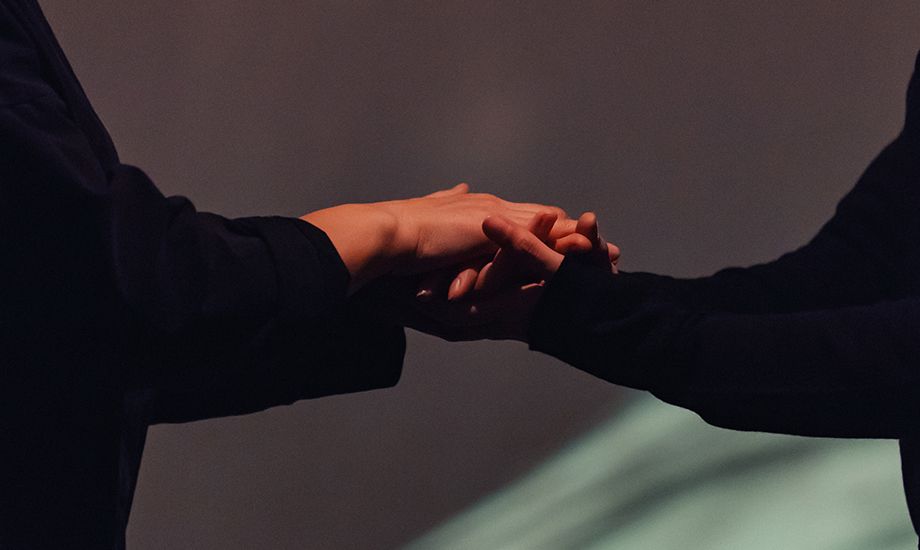
손을 잡는 일은 관계에 들어가는 몸짓이고, 손을 놓는 일은 그 관계가 소유가 되지 않도록 하는 몸짓이다.
타인의 신발을 신은 관객이 작가의 손을 잡으면 회로가 닫히고 빛과 목소리가 나타난다. 회로의 연결이 두 사람을 하나의 몸으로 만드는 것은 아니다. 서로 다른 두 몸은 차이를 지닌 채 접촉한다. 만지는 자와 만져지는 자의 자리는 그 사이에서 바뀐다.
이 만남을 손잡는 순간만으로 읽으면 친밀함이나 연대의 상징에서 멈출 수 있다. 나는 그 뒤에 손을 놓는 순간까지 함께 읽고자 한다. 접촉은 상대를 내 곁에 고정하는 일이 아니라, 떠날 수 있는 자유를 남기는 일이다. ‘나를 붙잡지 마라’는 촉각을 거부하는 말이 아니라, 만남을 소유하지 않는 관계로 여는 말이 된다.
Taking a hand enters a relationship; releasing it keeps that relationship from becoming possession.
When a visitor wearing another person’s shoes takes the artist’s hand, the circuit closes and light and voice emerge. Closing a circuit does not make two people one body. Two distinct bodies meet without losing their differences. Between them, the positions of touching and being touched shift.
If the encounter is read only through the moment of holding hands, it may remain a symbol of intimacy or solidarity. I want to include the moment of release in that reading. Contact does not fix another person at my side; it leaves them free to depart. “Do not hold on to me” becomes not a rejection of touch, but an opening toward a relationship that does not possess the encounter.
빛과 목소리가 나타나다
Light and voice emerge
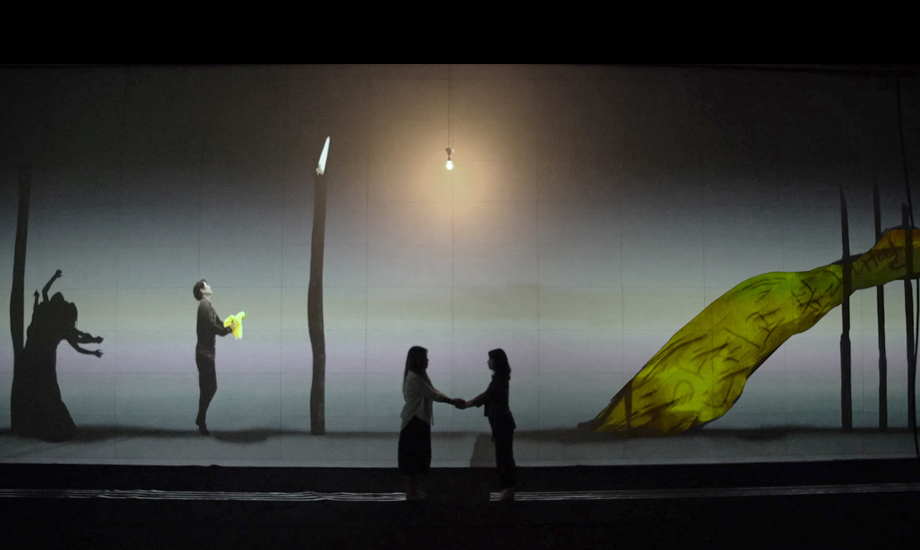
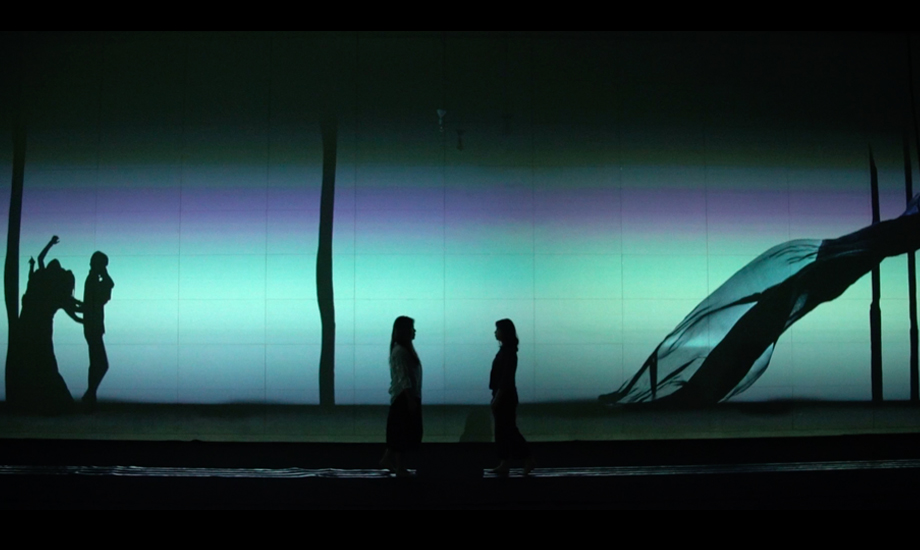
관객의 몸은 타자를 대신 말하지 않는다. 이미 녹음된 타자의 목소리가 들릴 수 있도록 회로의 일부가 된다.
빛과 목소리는 다섯 번째로 수행해야 할 별도의 동작이 아니다. 손을 맞잡아 회로가 닫히는 동안 일어나는 사건이다. 빛이 켜지고 신발 주인의 목소리가 들릴 때, 관객은 그 사람의 고통을 자신의 감정으로 재현하기보다 그의 말을 듣는 자리에 선다.
나는 이 사건을 리처드 커니의 anacarnation, 다시 육화함이라는 사유와 연결해 읽는다. 이것은 장치가 그리스도의 현존을 만들어 낸다는 주장이 아니라, 낯선 타자의 몸과 목소리를 통해 그리스도를 다시 만날 수 있다는 작품의 신학적 해석이다. 관객이 그리스도를 연기하는 것이 아니라, 서로 다른 두 몸이 타자의 목소리를 위한 자리를 내어주는 것이다.
이름이 관계를 열고, 신발과 세족의 기록이 그 관계를 땅과 몸의 감각으로 이끈다. 손은 맞잡히고 다시 놓인다. 그 사이에 들린 목소리는 접촉이 끝난 뒤에도 한 사람의 말로 남는다.
The visitor’s body does not speak for the other. It becomes part of a circuit through which the other’s recorded voice can be heard.
Light and voice are not a separate fifth action to perform. They are an event within the contact that closes the circuit. As light appears and the shoe owner’s voice is heard, visitors are invited to listen rather than reproduce another’s suffering as their own feeling.
I read this event alongside Richard Kearney’s idea of anacarnation, a return to flesh. This is not a claim that a device produces Christ’s presence, but a theological interpretation of encountering Christ again through the body and voice of a stranger. The visitor does not perform the role of Christ; two distinct bodies make room for another person’s voice.
A name opens the relationship. Shoes and the record of foot washing bring it into the sensory world of ground and body. Hands meet and are released. The voice heard between them remains someone’s own voice after the contact ends.
함께한 사람들 · 작품 기록People and project records
신발과 목소리를 내어준 사람들의 이야기는 《Empathy》 연작에서 이어진다. 이 만남들은 익명의 고통이 아니라 서로 다른 삶의 기록이다.
The stories of those who shared their shoes and voices continue in the Empathy series. These encounters are records of distinct lives, not anonymous suffering.
- 아들을 잃은 어머니 · 서울 · 2014A mother who lost her son · Seoul · 2014
- Eyas Adi · Z/KU, Berlin · 2017
- Kam Charles · Bemis Center, Omaha
- 한종순 · 서울, 국회 앞Han Jong-soon · Outside the National Assembly, Seoul
Empathy 연작 영상Films from the Empathy series
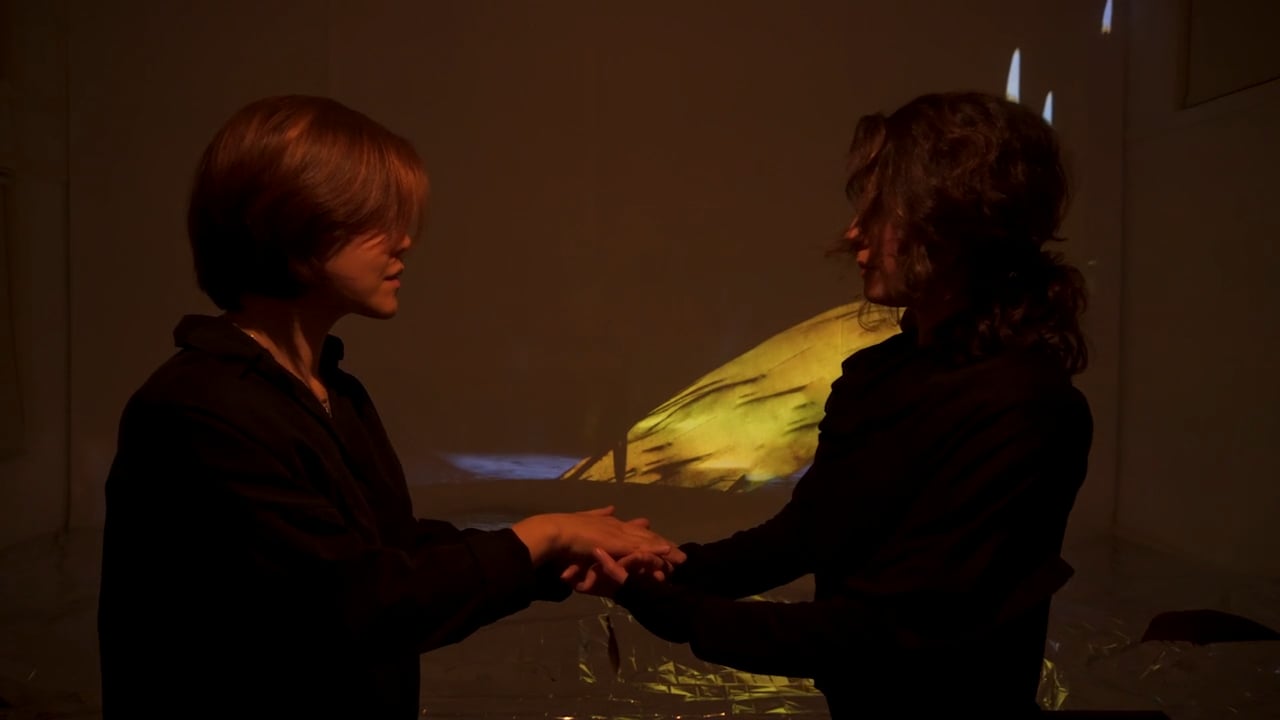
2014년, 아들을 잃은 어머니의 손을 잡았다.
잡은 것은 이 손이 아니라 그 손이었다.
예수를 만지고 싶던 갈망이 그때 방향을 얻었다.
In 2014, I held the hand of a mother who had lost her son.
It was not this hand I held, but that hand.
My longing to touch Jesus found its direction then.